
THE SPECTRUM OF PURITY: A Guide to Diamond Color
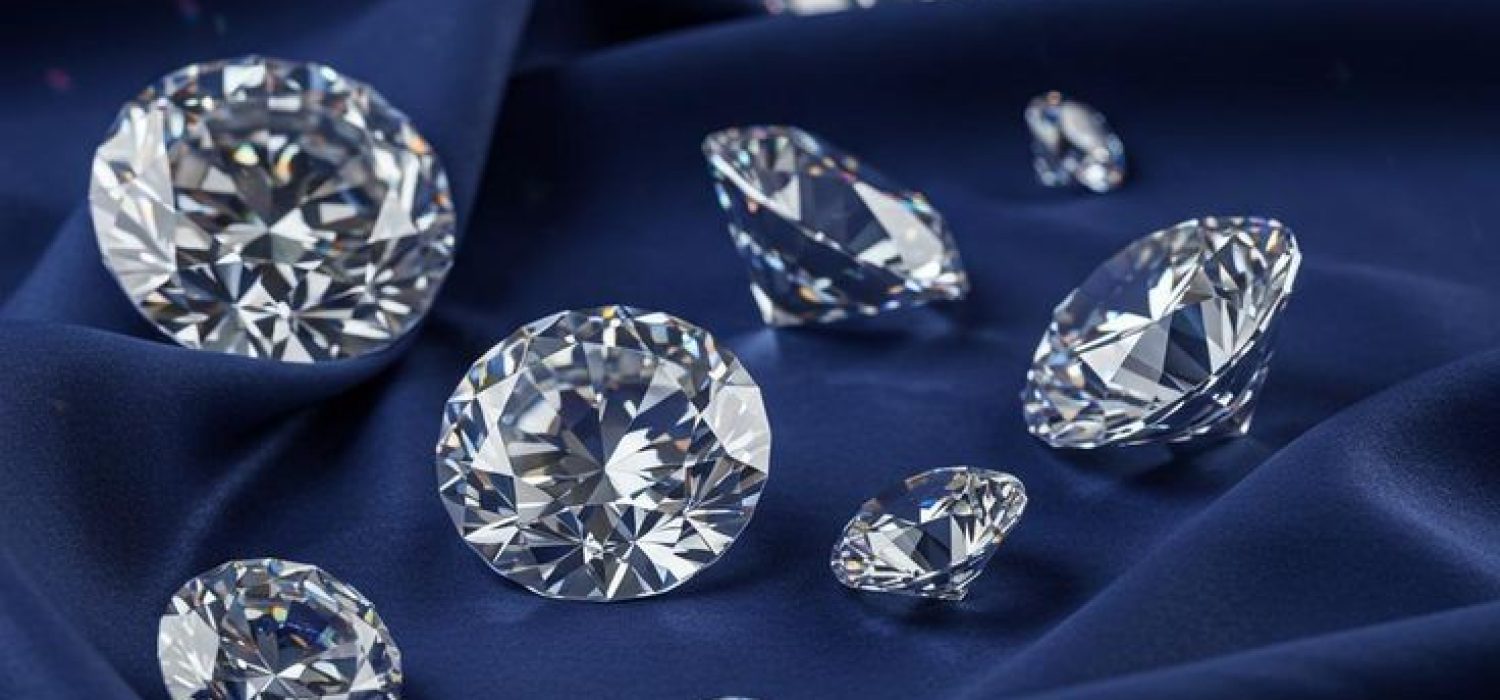
When evaluating a diamond’s brilliance, color is a defining factor. In a white diamond, beauty is often defined by the absence of color, allowing the stone’s natural fire to take center stage. As a core pillar of the 4Cs, color works in harmony with cut, clarity, and carat weight to determine a gemstone’s overall character and value.
In this Litaraa guide, we explore the nuances of the diamond color scale to provide the insights you need when selecting your perfect stone.
The Universal Color Scale
The industry standard for grading diamond color begins with the letter D (representing a completely colorless stone) and continues through the alphabet to Z (indicating a light yellow, brown, or grey tint).
D – F (Colorless): The pinnacle of rarity. These diamonds are chemically pure with no detectable hue, allowing the maximum amount of light to pass through and reflect back as pure brilliance.
G – J (Near Colorless): These stones appear colorless to the untrained eye and offer an exceptional balance of beauty and value.
K – Z (Faint to Light Color): As you move down the scale, subtle warm tints become increasingly visible, which can soften the diamond’s icy sparkle.
The Litaraa Standard
At Litaraa, our selection process begins where most others end. We specialize exclusively in the most elite tiers of the color spectrum, curating a collection that defines the pinnacle of gemstone rarity.
While the universal scale extends to Z, the vast majority of Litaraa diamonds are strictly categorized between D and G. These are the rarest and most sought-after grades in the world, prized for their icy, colorless appearance. By adhering to these exacting standards, we ensure that every diamond in our bridal collection possesses an unrivaled level of transparency.
Subscribe to our newsletter
Discover the latest collections, news and exclusive launches from the House of Litaraa: