
THE DEPTH OF PURITY: A Guide to Diamond Clarity
The story of a diamond begins miles beneath the Earth’s surface, where carbon is subjected to intense heat and pressure over billions of years. This volatile journey to the surface—carried by volcanic eruptions through rare geological formations—often leaves tiny natural fingerprints within the stone.
In the world of high jewelry, these internal characteristics are known as inclusions, while surface traits are called blemishes. Clarity is the measure of these features, and it is a fundamental pillar of the 4Cs that dictates a diamond’s ability to reflect light without interference.
What is a Diamond Clarity Chart?
A clarity chart is a technical scale used to communicate the purity of a gemstone. Because even the smallest internal feature can disrupt the path of light and diminish a stone’s brilliance, an objective grading system is essential.
Litaraa relies on the world’s most respected authority, the Gemological Institute of America (GIA), to independently verify the clarity of our diamonds. Established in 1931, the GIA provides the global standard for grading, ensuring every Litaraa client has an accurate and transparent understanding of their diamond’s quality.
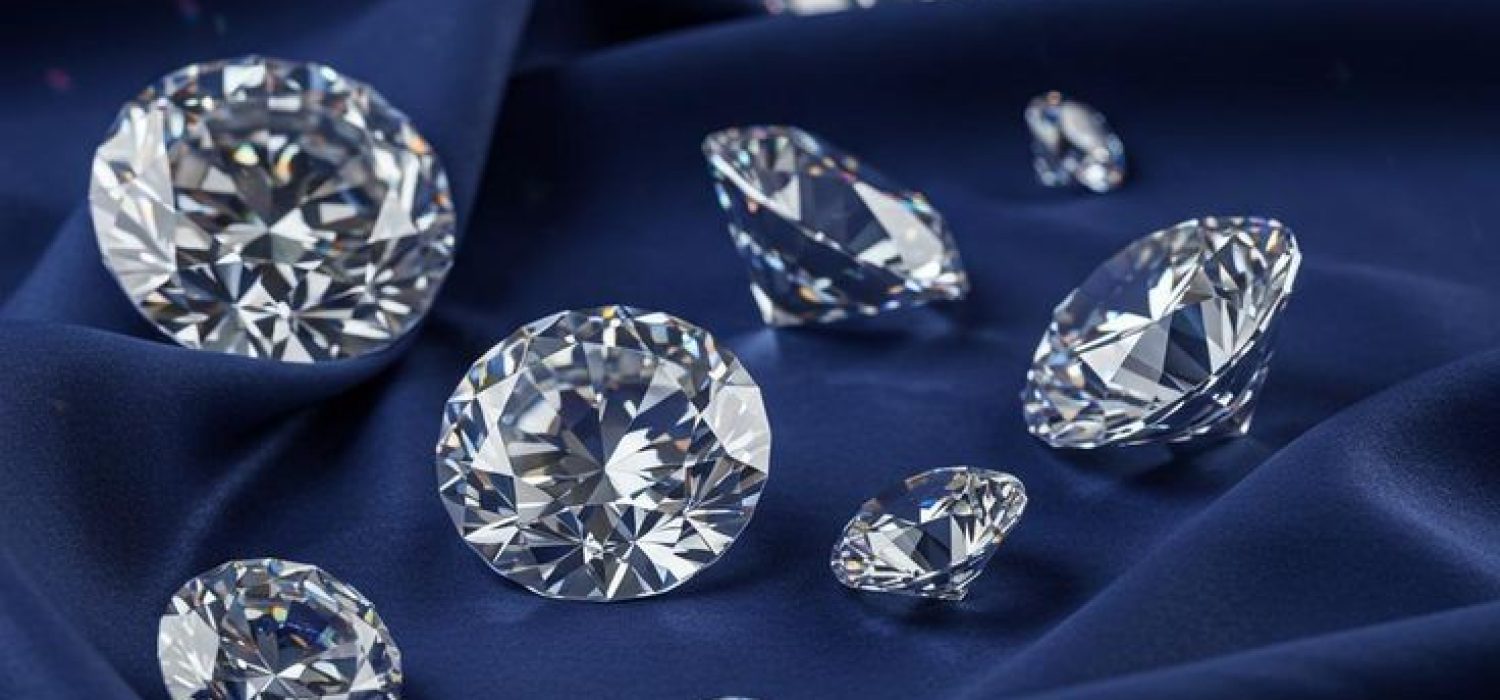
Deciphering the Clarity Scale
The GIA scale consists of 11 specific grades, categorized by what is visible under 10x magnification:
Flawless (FL): The absolute pinnacle of rarity. No inclusions or blemishes are visible, even to a master grader.
Internally Flawless (IF): No internal inclusions are visible; only minor surface blemishes may exist.
Very, Very Slightly Included (VVS1 & VVS2): Inclusions are so microscopic that they are extremely difficult for even a skilled professional to locate.
Very Slightly Included (VS1 & VS2): Minor inclusions that require effort to see under magnification but typically remain invisible to the naked eye.
Slightly Included (SI1 & SI2): Inclusions are noticeable under magnification and may occasionally be seen by a keen eye.
Included (I1, I2, & I3): Inclusions are obvious and can begin to affect the diamond’s transparency and structural integrity.
Subscribe to our newsletter
Discover the latest collections, news and exclusive launches from the House of Litaraa: